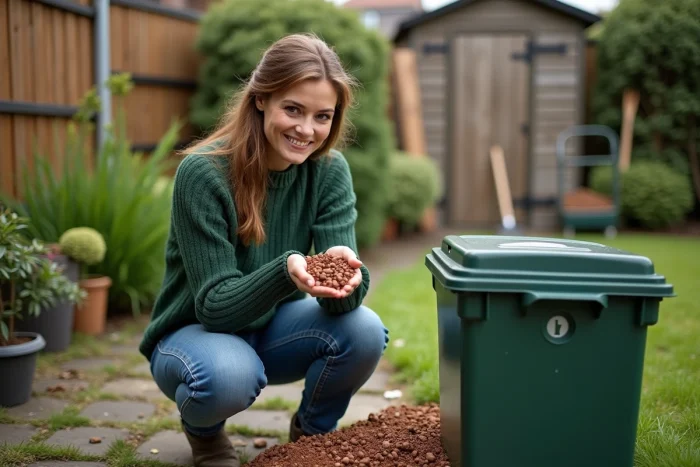
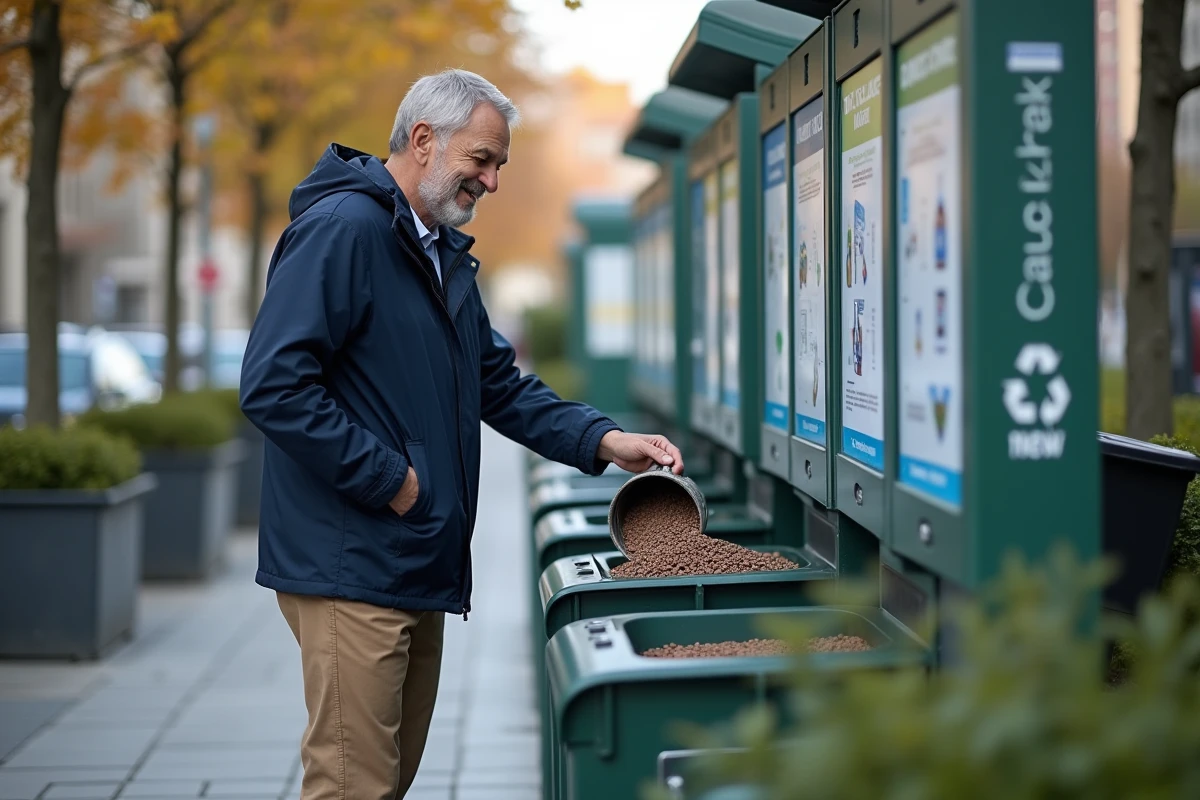
Transporting a bucket of clay balls to the recycling center is not an obvious reflex. Yet, this seemingly trivial gesture reveals the paradoxes of our daily sorting and the lesser-known reality of specialized recycling streams.
The clay balls accumulate year after year. A forgotten bottom of a bag behind the pots, a half-opened packet from the last repotting, reserves “just in case” that never disappear. The guidelines, however, remain vague. Guide after guide, opinions contradict each other. So, we let these little pebbles sit, neither quite waste nor really useful. A discreet nuisance that appears on almost every windowsill.
Why sorting clay balls is confusing
Disposing of them in compost? Impossible: made of terracotta, they do not decompose. Throwing them in the household trash is also not an acceptable solution, risking damage to pipes or adding a non-recyclable material to ordinary waste. Their natural place is among inert waste, where rubble and broken tiles go. But the reality is less uniform: depending on the recycling center, the guidelines change, the answers vary, and uncertainty settles in, even among the most conscientious.
For those finally seeking a clear answer and wanting to stop hesitating, the site where to throw clay balls sorts through the recommendations and offers alternatives to avoid mistakenly discarding what can sometimes be reused. A resource to keep handy in the face of the cacophony of advice.
Reuse before throwing away: extending usefulness
Putting a bag of clay balls directly in the recycling center sometimes overlooks their remaining potential. Before any trip to the dumpster, it’s better to explore the field of possible reuses. Inert waste streams dispose of without valorizing, but there are other, much smarter uses.
In the garden, their usefulness persists. Used as mulch, they retain soil moisture, at the bottom of pots they ensure good drainage, and in hydroponic systems they allow roots to breathe without risking excess moisture. This is also true on urban terraces: to lighten large planters or avoid stagnant water, their service remains appreciated.
Collectively, their usefulness doesn’t stop there. You can offer excess to community gardens, DIY workshops, or even to a nearby school working on a mosaic project. Posting an ad in a local group is sometimes enough to give them a second life, whether for floral arrangements or seed trays. Double impact: less waste, more connections between neighbors or within an association.
Concrete uses to try for reusing your clay balls
Here are some specific ideas to give a new role to your clay balls instead of letting them pile up endlessly:
- As mineral mulch, they retain moisture at the base of your plants and protect the soil from extreme temperature fluctuations.
- Their natural aeration promotes good air and water circulation around the roots in a hydroponic system, limiting the risk of mold.
- In a pot, they ensure drainage, preventing water accumulation under the soil and reducing algae proliferation.
A simple rinse under water is enough to give them a new freshness: clean, let dry, and they will be ready for the next season, whether for repotting, sowing, or decoration. Taking this time is about extending an object instead of turning it into anonymous waste.
The more we multiply uses, the less we waste the resource. Clay balls, once valued or shared, never stay long on the shelf. They can be found elsewhere, reinvented, where the cycle of disposability gives way to sustainable actions, even for the most modest objects.