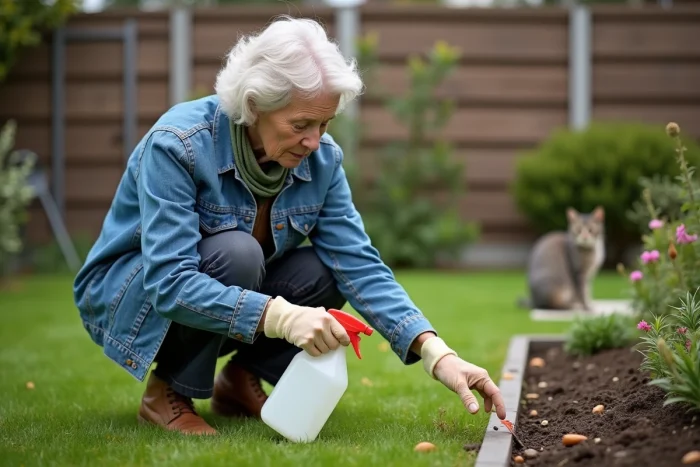
The use of white vinegar in outdoor spaces sparks recurring debates among gardening enthusiasts. Some claim that its acidic smell deters unwanted animals, while others point to its limited effectiveness and risks to plant life.
Simple alternatives exist, sometimes derived from natural solutions, sometimes recommended by animal experts. The methods vary depending on the layout of the land, the frequency of feline visits, and respect for the environment.
Why do cats so often visit our gardens?
Cats never hesitate to cross the boundaries of a garden, driven by their explorer instinct. They venture everywhere, taking advantage of every nook, every tuft of grass to mark their presence. Under branches, behind flowerbeds, they sniff, hunt, or simply rest, blending into the scenery while leaving their mark.
The slightest shelter, freshly turned soil, or the presence of a forgotten food bowl is enough to attract these felines. Gravel and disturbed flowerbeds sometimes serve as makeshift litter. A cat quickly picks up on the scents left by other animals, which piques its curiosity and encourages it to return, again and again.
Marking territory, exploring beyond familiar walls, asserting its place in this microcosm: these are typical behaviors. Urban cats, often bolder than one might imagine, extend their domain well beyond the doorstep, especially at night when calm reigns and encounters are fewer.
But this feline freedom has its downsides. Gardeners regularly encounter claw marks, urine, or notice damage to young shoots. Tensions with other pets are also not uncommon. It is in this context that the effectiveness of white vinegar against cats comes back into the spotlight. Finding a balance between garden protection, respect for the animal, and preservation of biodiversity becomes a priority for many homeowners.
White vinegar against cats: myth or truly effective solution?
White vinegar has built a solid reputation among natural repellents. Its acrid smell, unbearable for most cats, makes it an apparent ally in keeping intruders at bay. It is sometimes poured pure, sometimes diluted, on edges, near flowers, or in strategic spots, hoping to create an olfactory barrier. But the reality is more nuanced.
Experiences clash: some gardeners report a decrease in visits, while others notice that the felines eventually ignore the smell or even get used to it. The effect of white vinegar fades as quickly as rain or watering comes along, forcing one to start over repeatedly.
With repeated applications, the consequences for the soil become apparent. The acidity of vinegar, applied too often or in too great a quantity, can hinder the growth of certain plants. To ensure this method does not harm the overall garden, it is better to dose carefully and avoid overuse.
White vinegar thus remains a temporary option, to be handled with discernment. Its effectiveness is not universally agreed upon, and it does not offer a lasting solution. For those who truly want to limit feline visits, it often requires considering other natural repellents and combining various tricks to achieve a satisfactory result.
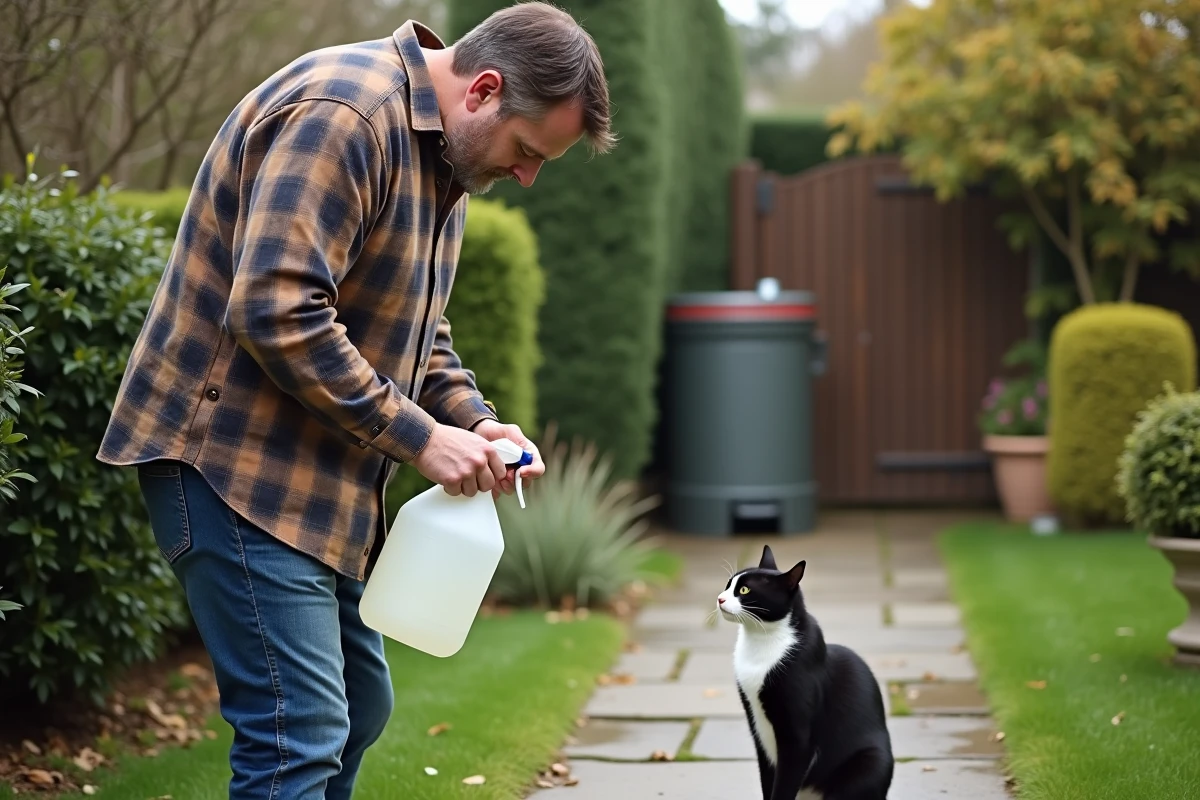
Natural alternatives and gardening tips to keep your outdoor space peaceful
The strong smell of white vinegar is just one option among many. Gardeners looking to preserve the tranquility of their space rely on a variety of natural repellents to limit the presence of cats while respecting living beings. Over time, certain ideas have emerged, stemming from both pragmatism and tradition.
Here are some proven methods to keep felines away without harming your garden:
- Rosemary or rue: these herbs emit a strong odor that cats dislike, while adding a green touch to the flowerbeds.
- Used coffee grounds spread around sensitive areas act both as a natural fertilizer and as a cat repellent, keeping felines away without harming the soil.
- Citrus peels or a few drops of lavender essential oils on stones placed at the base of plants emit a persistent scent that bothers most felines.
Some prefer to focus on physical aspects: coarse mulch, well-placed branches, or fine mesh make access to the plants less inviting. By observing the habits of neighborhood cats, one can adjust these measures and prioritize protecting the most frequented corners.
To maintain garden peace, it often involves combining several approaches: a mix of natural repellents for your garden, landscape adaptation, and practical advice gleaned from cat care guides. These solutions, respectful of both wildlife and plants, allow for maintaining balance without sacrificing either aesthetics or the serenity of the outdoor space.
In the reality of gardening, there is no universal remedy. The secret is to observe, test, and adjust throughout the seasons. Between scents, textures, and discreet tricks, the gardener composes their own score, while the cats continue to keep them on their toes.