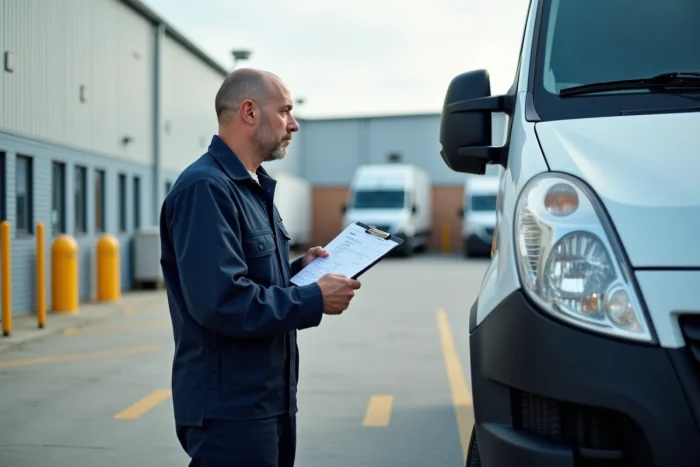
A converted van cannot always drive where it has been transformed, even if the equipment meets technical standards. A VASP approval remains mandatory as soon as the vehicle has fixed installations, under penalty of refusal during the technical inspection and invalidation of the insurance.
Each step of the process has specific requirements, non-negotiable deadlines, and often underestimated costs. Some non-compliant modifications lead to postponements or even a definitive rejection of the file. Administrative procedures, inspections, and the preparation of the technical file leave no room for improvisation.
What is the purpose of homologating a converted van and when is it mandatory?
Getting your converted van homologated is not just a minor detail. This mandatory step conditions the ability to drive, properly insure, and even resell your transformed vehicle. Modifying a utility vehicle to create a mobile home changes not only its use but also its level of risk. The administration imposes it straightforwardly: as soon as four fixed installations are in place (sleeping area, dining area, storage, and table), the vehicle must be classified under the VASP (Specially Converted Motor Vehicle) status. The law mandates it, and beware of oversights: only a vehicle that complies with the standards can circulate without hassle.
This pass is the mention VASP on the registration document. Without it, the insurer may refuse to compensate for an accident. Technical inspections also become stricter: an unapproved converted vehicle risks a re-inspection or even a ban on circulation. And for selling, things get seriously complicated: in the second-hand market, the lack of homologation blocks transactions and raises suspicion.
The rule is clear: any converted vehicle that is permanently modified must go through the VASP homologation process. Removable installations sometimes slip through the cracks, but as soon as there is any doubt, it is better to take a vehicle for inspection and avoid unpleasant surprises. This process protects the user and ensures that the approved converted vehicle meets regulatory requirements. There is no room for shortcuts regarding procedures, costs, and deadlines: everything must be anticipated to avoid seeing your van immobilized for weeks, or worse, permanently rejected.
Key steps and essential documents for successful VASP homologation
Transforming a utility vehicle into a homologated converted vehicle requires flawless organization. The process begins with the preparation of a RTI file (single approval), which is the backbone of your application. This file must gather all the evidence that the conversion complies with current standards. DREAL (or DRIEE) agents examine each document meticulously.
Among the essential elements, the manufacturer’s plate and the certificate of conformity COC allow for the identification of the vehicle in its original version. You must also provide all invoices, diagrams, and technical notices detailing each modification. For gas installations, the gas conformity certificate, issued by an approved organization, becomes mandatory: there is no room for approximation here; safety remains a priority, and regulations do not tolerate any deviation.
Before the appointment at DREAL, you must undergo a VASP technical inspection at an approved center. This inspection reviews stability, electricity, ventilation, and all safety points, based on AFNOR standards.
Here are the steps not to overlook to maximize your chances of obtaining homologation:
- Prepare a complete file, without neglecting technical justifications.
- Follow each step of the VASP homologation guide to avoid a refusal at the prefecture.
- Anticipate deadlines: scheduling an appointment at DREAL can require patience, especially during busy periods.
This demanding and sometimes lengthy process leaves no room for approximation. The issuance of the reception title depends as much on documentary rigor as on technical compliance. Once validation is obtained, the van can finally begin its new life, legally.

How much does the inspection cost and how to anticipate expenses?
Behind the VASP homologation procedure, the budgetary reality quickly comes into play. The inspection involves several costs: administrative files, specific technical inspections, and sometimes work to meet the standards. For a standard file, the bill generally ranges between 800 and 1,200 euros in France, excluding compliance interventions.
The fee charged by DREAL varies by region: expect around 86 € for the examination of the RTI file. In addition, there are VASP technical inspection fees, often between 75 and 120 €, depending on the center and the vehicle model. If your van has a gas installation, a check by an authorized organization is mandatory: this gas conformity certificate generally costs between 100 and 150 €, an essential step for any conversion involving LPG or a fixed kitchen.
The actual cost does not stop at these items. Sometimes stretched deadlines lead to additional expenses: immobilization of the vehicle, technical adjustments, or reissuing certain documents. To avoid unpleasant surprises, it is better to review each potential item: replacement of a manufacturer’s plate, issuance of certificates, or any missing element requested by the administration.
For reference, the main expense items related to the inspection are:
- DREAL fees (RTI file): ~86 €
- VASP technical inspection: 75 to 120 €
- Gas conformity certificate: 100 to 150 €
By anticipating these costs, you can avoid many disappointments, especially when homologating a Fiat Ducato, a Volkswagen, or any model intended to become a homologated converted vehicle. Planning is key to maintaining control over your project and preventing the adventure from stopping over a simple administrative or technical detail. Ultimately, the road opens up for those who approach homologation methodically and with clarity, the key to ensuring that every journey in a converted van is never hindered by paperwork or ignorance of the rules.