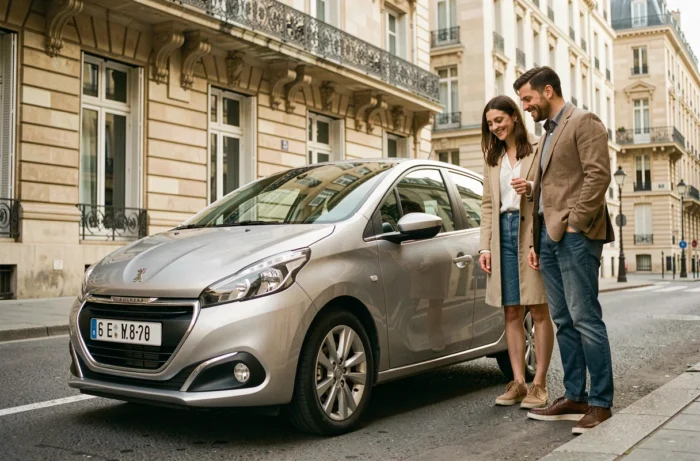
The French automotive market in 2024 remains largely dominated by domestic manufacturers. Peugeot, Renault, and Dacia occupy the top spots for new registrations, while hybrid and electric powertrains are gradually reshaping purchasing habits.
Why French city cars dominate sales in 2024
The Peugeot 208 retains its position at the top of the ranking for the best-selling new cars in France. Its success is based on a wide range of powertrains, including petrol, diesel, and an electric version (e-208). This versatility allows it to attract very different buyer profiles, from urban drivers to daily suburban commuters.
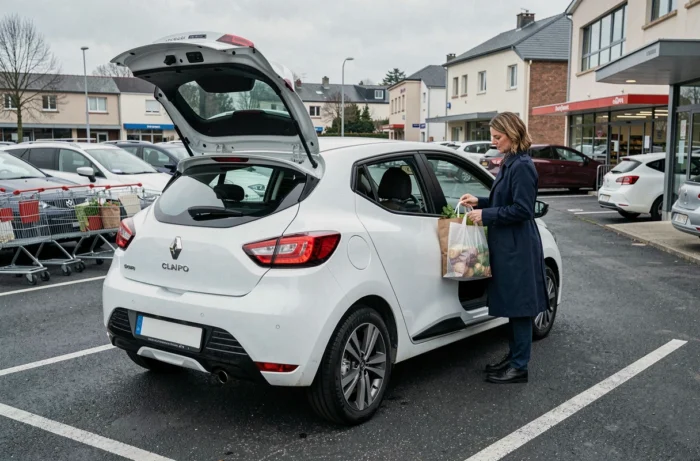
Just behind, the Renault Clio maintains its position thanks to a balance between affordable pricing, controlled consumption, and onboard connectivity. The Clio appeals in both petrol TCe and hybrid versions, a strong asset in light of the tightening of low emission zones (LEZ).
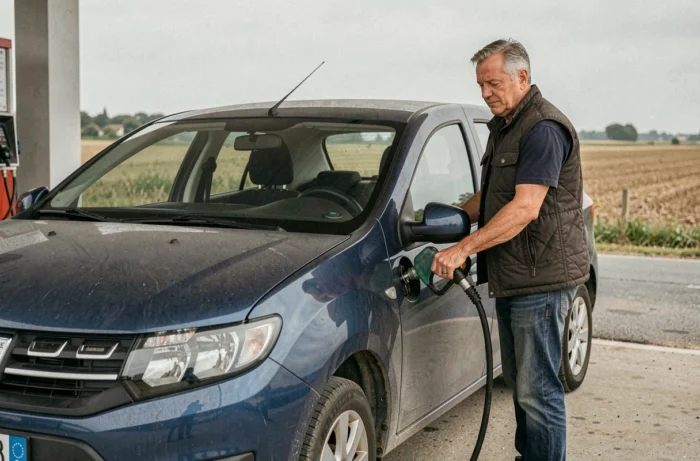
The Dacia Sandero completes this trio by focusing on a formidable argument: the lowest price-quality ratio on the market. While the 208 and Clio leverage image and technology, the Sandero attracts buyers looking for a reliable vehicle without unnecessary extra costs. To delve deeper into this landscape, the preferred models according to Essentium detail the consumption trends that explain these choices.
Petrol, hybrid, and electric powertrains: what drives purchases
The petrol engine remains the most sold powertrain by volume, particularly through the TCe units at Renault and PureTech at Peugeot. These small turbocharged engines offer an acceptable compromise between power and consumption for mixed journeys.
Hybrids are gaining significant ground. Models like the Renault Captur E-Tech or the Toyota Yaris Cross attract drivers who want to reduce their consumption without switching to fully electric. Non-plug-in hybrids, cheaper to purchase than plug-ins, represent a growing share of registrations.
On the electric side, the situation is more nuanced. The refocusing of the ecological bonus on households with the lowest incomes, enacted by the decree of November 29, 2024, has changed the conditions for accessing subsidies. The removal of the conversion bonus for orders placed from December 2, 2024, has also impacted decisions at the end of the year.
Social leasing, a targeted accelerator
Launched in January 2024, social leasing has allowed low-income households to rent an electric vehicle for an extended period under heavily subsidized conditions. This scheme has boosted registrations of certain eligible models, but it does not reflect the entire demand: volumes depended on available stocks and eligibility criteria, not just buyer preferences.
Compact SUVs and family cars: the rising segments in France
The compact SUV has established itself as the second major segment of the French market. The fully renewed Dacia Duster attracts with its low entry price and perceived robustness. The Peugeot 2008 and Renault Captur compete for customers with more upscale finishes and hybrid powertrains.
The SUV does not replace the city car; it complements it. Many French households own two vehicles: a city car for urban use and a compact SUV for family trips or weekends. This complementarity explains why both segments are progressing simultaneously.
The Citroën C3, repositioned with an accessible electric version, remains a notable alternative in the small car segment. Its affordable price and suspension comfort keep a loyal customer base, particularly among first-time buyers.
Used market: preferences different from new
In the used market, the ranking does not exactly replicate that of new cars. The Renault Clio (in versions IV and V) occupies the top spot, ahead of the Peugeot 208. The explanation lies in the age of the model and the number of Clio vehicles in circulation, which is significantly higher than that of the more recently launched 208.
Purchase criteria also differ. Here are the factors that weigh most heavily in the choice of a used car in 2024:
- The overall cost of ownership (insurance, maintenance, consumption), which favors small displacement petrol city cars
- Compatibility with LEZ restrictions, particularly in Greater Paris where older vehicles are gradually being excluded
- The availability of spare parts and the network of garages, a structural advantage for French brands
Used hybrid vehicles are beginning to appear in sales rankings, but their share remains modest. The price of a used hybrid remains higher than that of an equivalent petrol vehicle, which hinders their adoption among budget-sensitive buyers.
Regulation and LEZ: an underestimated choice factor
Low emission zones now affect several major French urban areas. In Greater Paris, Crit’Air 3 vehicles and above are gradually banned from circulation. This constraint pushes some buyers to renew their vehicles earlier than expected, directing demand towards newer models that comply with standards.
This phenomenon contributes to the depletion of the old vehicle fleet and feeds both the new and recent used markets. Euro 6 petrol city cars (Clio, 208, Sandero) and hybrids benefit directly, as they meet the Crit’Air 1 criteria.
- Crit’Air 1 petrol or hybrid models remain accessible in all current LEZs
- Electric vehicles benefit from unrestricted access and parking privileges in certain municipalities
- Recent diesels (Crit’Air 2) currently retain access, but their resale value is decreasing due to regulatory uncertainty
The choice of a vehicle in 2024 is no longer limited to purchase price or design. Compliance with traffic restrictions directly influences the residual value of a model in the medium term, a parameter that the most informed buyers consider from the moment they sign the order form.