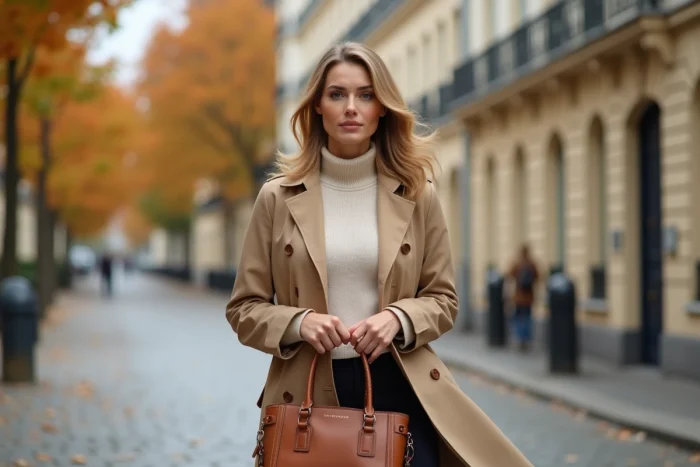
Fashion refers to a system of clothing codes that evolve in seasonal cycles, influenced by fashion shows, cultural practices, and, more recently, by visual recommendation tools powered by artificial intelligence. Understanding these mechanisms allows for more coherent wardrobe choices, without chasing every micro-trend.
Visual Search and AI: How the Discovery of Looks Has Changed
Before exploring the trends themselves, it is essential to grasp what has transformed the way they are spotted. Since 2024, platforms like Zalando, Amazon, and Google have deployed visual search engines capable of suggesting complete outfits from a simple photo or an existing user’s wardrobe.
This technical shift has a direct consequence on fashion consumption: personalized recommendations are gradually replacing seasonal editorials as a source of inspiration. The reflex is no longer to flip through a trend book, but to photograph a piece that appeals and let an algorithm propose the combinations.
For those looking to structure their wardrobe around current inspirations, fashion according to Renée Fashion offers an editorial entry point complementary to these algorithmic tools, maintaining a human perspective on piece associations.
This change does not render trends obsolete, but it alters their dissemination. A cut spotted on the runways of Paris during fashion week now takes a few days, rather than a few months, to appear in the automatic suggestions of shopping apps.
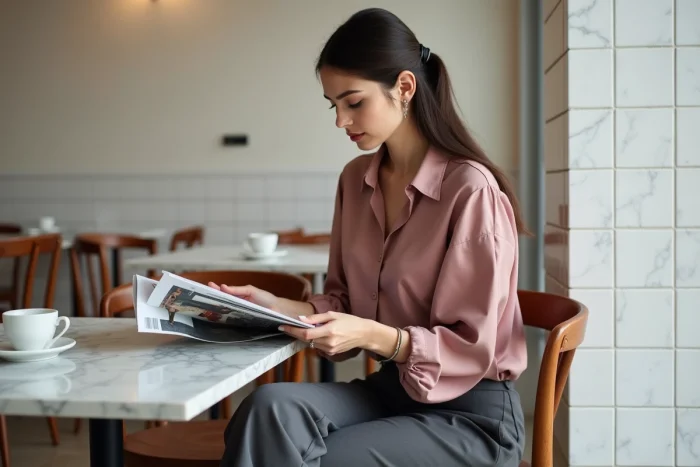
Quiet Luxury Accessible: Cuts and Fabrics Rather Than Logos
The term quiet luxury has been circulating since 2023, but its scope has changed. It no longer solely concerns houses like Loro Piana or The Row. Trend forecasting agencies, including the Lyst Index 2024 and analyses from Vogue Business, document a continuous increase in searches and sales related to minimalist, well-cut pieces without visible logos, including in the mid-range segments.
The logic is simple: consumers seek to enhance their silhouette through cut and fabric, not by displaying a monogram. A wool-blend blazer with refined finishes, worn over fluid trousers and elegant sneakers, embodies this approach better than a logo bag.
Pieces That Reflect This Approach Daily
- A straight coat in wool or soft leather, in a neutral color (camel, black, heather gray), that carries through autumn and winter without being trendy
- A mid-length dress in ribbed knit or crepe, structured enough for the office, yet comfortable enough for a weekend in the city
- Discreet yet crafted accessories: textured leather belt, handbag without unnecessary embellishments, geometric earrings
The common thread remains versatility. Each piece should work in at least two different contexts, directly linking to the next trend.
Hybrid Wardrobe: From Remote Work to Office in One Outfit
McKinsey’s reports on the fashion industry 2024-2025 identify a significant increase in the smart casual segment. The reason lies in the hybrid working mode, which is now firmly established. The pieces that succeed are those that transition from the couch to the meeting room without a complete change.
Specifically, this results in unstructured blazers (less defined shoulders, lighter lining), elastic waist trousers but tailored cuts, and sleek-designed sneakers that do not clash under dress pants. The wardrobe is no longer thought of in rigid categories (workwear, weekend wear, evening wear), but in a gradient of formality.
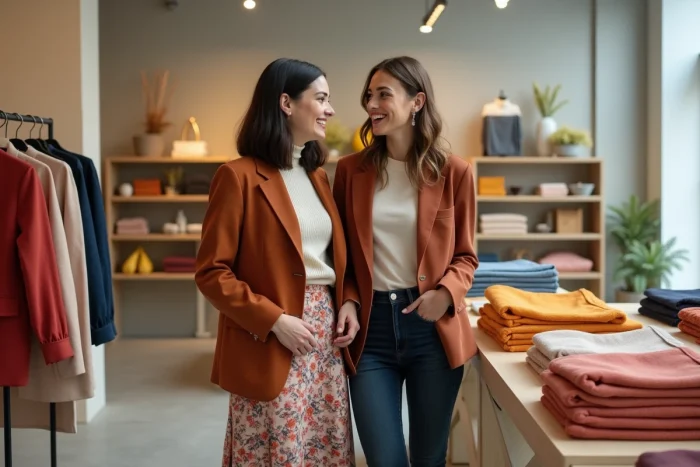
Building a Modular Wardrobe in Three Layers
The most effective method is to think in terms of stackable layers:
- A neutral base (thick cotton t-shirt, merino turtleneck, poplin shirt) that remains the same regardless of the context
- A structured piece (blazer, leather jacket, long cardigan) that adjusts the level of formality depending on whether it is worn open or closed
- Transitional accessories (a simple watch, a silk scarf, a pair of loafers) that change the register without touching the rest
This approach reduces the number of necessary garments while multiplying combinations. It also aligns with the trend for raw denim in straight or wide cuts, which works equally well with a cashmere sweater or a simple white t-shirt.
Lace, Leather, and Prints: The Materials That Define the Season
Beyond silhouettes, the collections presented during the latest fashion weeks in Paris highlight materials that structure the style of the season. Leather remains a safe bet, appearing in short jackets, straight skirts, and soft accessories. Lace returns in less romantic and more graphic versions, often paired with masculine pieces to break the precious effect.
The runways of houses like Balenciaga confirm a strong taste for bold volumes and contrasting textures. Pairing a lace piece with a raw element like leather or denim creates a visual balance that avoids a look that is too safe or too dramatic.
The dress, a central piece of spring, is worn this season in midi lengths, often in fluid fabrics that move with the body. Structured leather accessories (wide belts, rigid bags) anchor the silhouette and give it shape.
The wardrobe that works in 2025 relies less on the accumulation of trendy pieces and more on the ability to combine a few well-chosen elements. A capsule collection of ten to fifteen modular pieces, designed around sustainable materials and cuts adapted to one’s morphology, covers the majority of everyday situations, from the office to the weekend, without planned obsolescence by the next season.